Basement Remodeling Contractor is one of the most effective ways to unlock unused space in your home and transform it into something functional, comfortable, and valuable. Whether you envision a cozy family room, a home office, a guest suite, or even a rental unit, the basement offers a blank canvas with enormous potential. However, getting started can feel overwhelming if you don’t know where to begin. From planning and budgeting to design and construction, each step plays a critical role in ensuring a successful outcome. Understanding the process in detail will help you move forward with confidence and avoid costly mistakes.
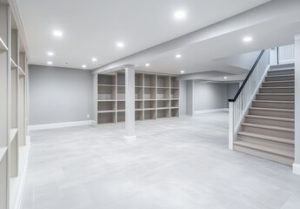
The first step in basement remodeling is to clearly define your purpose for the space. Without a specific goal, it becomes difficult to make decisions about layout, materials, and overall design. Think carefully about how you want to use the basement daily. Is it going to be a recreational space for entertainment, a quiet retreat for work, or an additional living area for family members? Each use case comes with its own requirements in terms of lighting, plumbing, insulation, and layout. By establishing a clear vision early on, you create a foundation that guides every decision throughout the project.
Once you have a vision in mind, the next step is to assess the current condition of your basement. This involves evaluating structural integrity, moisture levels, ceiling height, and existing systems such as electrical wiring and plumbing. Basements are particularly susceptible to moisture issues, so it is essential to check for leaks, condensation, or signs of mold. Addressing these problems before starting any remodeling work is crucial, as ignoring them can lead to long-term damage and increased costs. A thorough inspection ensures that your project starts on solid ground and helps you identify any limitations that may influence your design choices.
Budgeting is another critical aspect of getting started. Basement remodeling costs can vary widely depending on the size of the space, the complexity of the design, and the quality of materials used. It is important to set a realistic budget that includes not only construction expenses but also permits, inspections, and unexpected contingencies. A well-planned budget allows you to prioritize features and avoid overspending. It is also wise to allocate a portion of your budget for unforeseen issues, as basements often reveal hidden challenges once work begins.
To organize your financial planning effectively, consider the following key budget components:
- Construction and labor costs, including framing, drywall, flooring, and installation
- Mechanical systems such as electrical upgrades, plumbing, and HVAC adjustments
- Finishing touches like paint, fixtures, lighting, and furnishings
- Permits, inspections, and potential professional consultations
Breaking down your budget into categories provides clarity and helps you track expenses more efficiently as the project progresses.
Design planning is where your ideas begin to take shape. At this stage, you will determine the layout, choose materials, and consider how to maximize the available space. Since basements often have unique constraints such as low ceilings or limited natural light, creative design solutions are essential. Open floor plans can make the area feel larger, while strategic lighting can brighten darker corners. Choosing the right color palette also plays a significant role in enhancing the overall ambiance. Lighter colors tend to make spaces feel more open and inviting, which is particularly beneficial in basement environments.
Functionality should always be a priority during the design phase. Consider how different elements will work together to support your intended use of the space. For example, if you are creating a home office, you will need sufficient lighting, soundproofing, and storage solutions. If the basement will serve as a living area, comfort and accessibility become more important. Planning for storage is often overlooked but can greatly improve the usability of the space. Built-in shelving, cabinets, and multi-purpose furniture can help keep the area organized without sacrificing style.
Another important consideration is compliance with building codes and regulations. Basement remodeling often requires permits, especially if you are adding bedrooms, bathrooms, or significant structural changes. These regulations are in place to ensure safety and quality, covering aspects such as ceiling height, ventilation, and emergency exits. It is essential to familiarize yourself with these requirements early in the process to avoid delays or complications later on. Taking the time to meet all necessary standards not only protects your investment but also ensures that the space is safe for occupants.
Moisture control and insulation are fundamental elements that should never be overlooked. Basements are naturally prone to dampness due to their location below ground level. Proper waterproofing measures, such as sealing cracks and installing drainage systems, can prevent water intrusion and protect your remodeling efforts. Insulation also plays a vital role in maintaining a comfortable temperature and improving energy efficiency. By addressing these factors upfront, you create a healthier and more durable environment that supports long-term use.
Lighting is another key factor that significantly impacts the overall feel of a basement. Since natural light is often limited, a well-planned lighting strategy is essential. Combining different types of lighting can create a balanced and inviting atmosphere. Ambient lighting provides general illumination, while task lighting focuses on specific areas such as workspaces or reading corners. Accent lighting can be used to highlight architectural features or decorative elements, adding depth and character to the space. Thoughtful lighting design can transform even the darkest basement into a warm and welcoming environment.
Flooring selection is equally important, as basements require materials that can withstand potential moisture and temperature fluctuations. Durable and moisture-resistant options are ideal for this type of space. In addition to practicality, flooring also contributes to the overall aesthetic and comfort of the room. Choosing the right material can enhance the design while ensuring longevity and ease of maintenance. It is important to strike a balance between style and functionality when making your selection.
As you move closer to the construction phase, it is essential to create a detailed timeline for your project. This helps you stay organized and ensures that each stage is completed efficiently. While timelines can vary depending on the scope of work, having a structured plan allows you to anticipate potential delays and adjust accordingly. Communication is key during this stage, especially if you are working with contractors or other professionals. Clear expectations and regular updates can help keep the project on track and minimize misunderstandings.
To streamline the remodeling process, keep these practical steps in mind:
- Develop a clear project timeline with milestones for each phase
- Maintain open communication with all parties involved
- Monitor progress regularly to ensure quality and adherence to plans
- Be prepared to adapt to unexpected challenges without compromising your overall vision
Flexibility is an important trait when undertaking any remodeling project, as unforeseen issues can arise despite careful planning.
Finishing touches are what ultimately bring your basement remodeling project to life. This includes everything from paint colors and furniture selection to decorative elements and personal accents. These details reflect your style and make the space feel complete. It is important to maintain consistency with the overall design theme while incorporating elements that add warmth and personality. Thoughtful finishing touches can elevate the space from a simple renovation to a truly enjoyable living area.
Finally, it is worth considering the long-term benefits of basement remodeling. Beyond the immediate improvement in functionality and comfort, a well-executed project can significantly increase the value of your home. It also provides additional space that can adapt to changing needs over time, whether that means accommodating a growing family or creating a new source of income. By investing time and effort into proper planning and execution, you can ensure that your basement becomes a valuable and versatile part of your home.
Getting started in basement remodeling may seem complex at first, but breaking the process down into manageable steps makes it far more approachable. By defining your goals, assessing your space, planning your budget, and focusing on design and functionality, you can set the stage for a successful transformation. With careful preparation and attention to detail, your basement can evolve into a space that enhances both your lifestyle and the overall value of your property.